
I used to think strategy in sports was all about instinct. A coach shouting from the sidelines. A captain reading the tempo of the match. A gut decision in the final minutes.
That still matters.
But today, strategy begins long before kickoff. It starts in data rooms, performance labs, and algorithm dashboards. Modern sports are powered by technology in ways that were almost unimaginable two decades ago.
The game on the field is only half the story. The real preparation happens behind screens.
Here are six technologies that are quietly transforming how teams plan, adapt, and compete.
1. GPS Player Tracking Systems
If you watch a professional match today, chances are many athletes are wearing small GPS tracking devices embedded in their training vests.
These systems track:
- Distance covered
- Sprint frequency
- Acceleration and deceleration
- Heart rate variability
- Positional heat maps
Elite football players often cover 10 to 12 kilometers per match, but the real insight lies in high-intensity bursts. Coaches now monitor how many explosive runs a player makes and how fatigue affects sprint output over time.
In rugby, where physical collisions are constant, tracking load management has become critical. Data helps reduce injury risk by identifying when a player’s workload exceeds safe thresholds.
Strategy is no longer just tactical. It is physiological.
2. Advanced Video Analysis Platforms
Video review has always existed, but modern platforms go far beyond replaying highlights.
Now, analysts tag every movement:
- Passing lanes
- Defensive formations
- Transition moments
- Pressing triggers
Coaches can filter clips by scenario. Want to see every failed defensive shift in the final third? Done in seconds.
What fascinates me is how visual data overlays have evolved. Software can superimpose player positioning grids, movement trails, and probability zones directly onto footage.
It changes how mistakes are corrected. Instead of telling a player, “You were out of position,” coaches show exactly where the structure collapsed.
That clarity sharpens strategic discipline.
3. Predictive Analytics and Machine Learning
This is where things get serious.
Machine learning models analyze thousands of historical matches to detect patterns that humans might overlook. These systems evaluate:
- Expected goals or scoring probability
- Possession efficiency
- Tactical compatibility between teams
- Fatigue trends across congested schedules
Some clubs employ full data science teams dedicated to predictive modeling. The goal is not just to understand what happened, but to forecast what might happen next.
Predictive analytics helps with:
- Opponent scouting
- Match preparation
- Player recruitment decisions
Instead of signing players based purely on reputation, clubs evaluate statistical contribution models. Performance is projected, not guessed.
And while models are not perfect, they significantly reduce uncertainty.
4. Wearable Biometric Technology
Modern training sessions look more like laboratory experiments than traditional drills.
Wearable sensors measure:
- Muscle strain
- Hydration levels
- Sleep quality
- Recovery rates
In high-performance environments, marginal gains matter. A small improvement in recovery time can mean sharper decision-making late in a match.
Biometric feedback also influences substitution strategy. Coaches can identify when a player’s output drops below optimal range before visible fatigue appears.
The result is smarter rotation management and fewer long-term injuries.
Strategy now includes biology.
5. Tactical Simulation Software
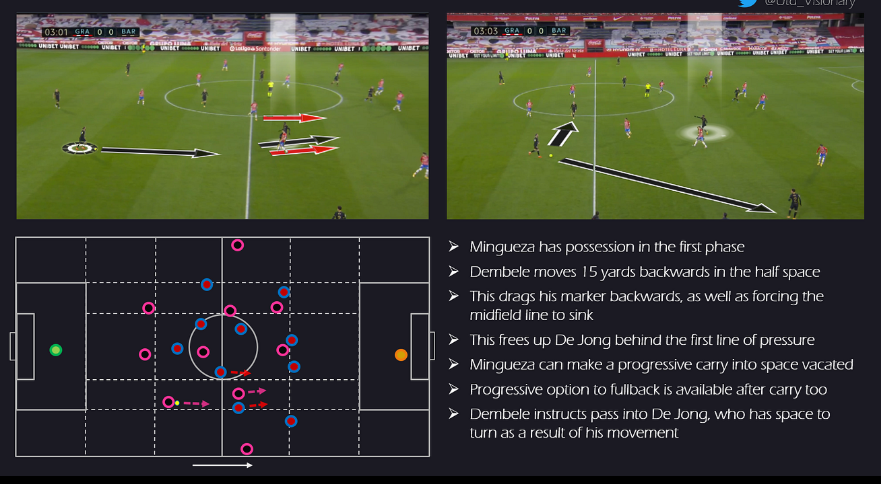
Imagine being able to simulate match scenarios before they happen.
Tactical simulation platforms allow teams to model formations against specific opponents. Coaches can test how different pressing systems respond to various build-up patterns.
In football and rugby, shape integrity is everything. These tools help analyze spacing and predict breakdown points.
Some simulations even incorporate probability-based outcomes, calculating how often a tactical approach succeeds under certain conditions.
It reminds me of chess engines evaluating positions before a move is made. Strategy becomes layered, not reactive.
Teams no longer wait to see if a system works. They test it virtually first.
6. Real Time Data Integration During Matches
One of the most visible changes in modern sport is real-time analytics.
Live dashboards track:
- Passing accuracy trends
- Defensive block efficiency
- Turnover frequency
- Territory dominance
Coaching staff receive immediate feedback during matches. Adjustments are not based solely on feeling but supported by quantifiable metrics.
Some competitions now display win probability percentages during broadcasts. Fans see strategic shifts reflected instantly in numbers.
It changes how we interpret momentum. A team may appear dominant, but data could reveal declining shot quality or inefficient transitions.
The modern sideline is wired.
Technology Does Not Replace Instinct
Despite all these advancements, I still believe strategy requires human judgment.
Data offers clarity, but interpretation defines success.
A model might suggest maintaining possession. A coach might sense emotional momentum demands risk. The best strategic decisions often combine both.
Technology enhances awareness. It does not eliminate intuition.
What it truly does is reduce blind spots.
Modern sports strategy is no longer built on guesswork. It is constructed through layered insight: performance metrics, predictive probabilities, biometric feedback, and tactical modeling.
And as a viewer, understanding these systems changes how you watch matches.
You notice pressing triggers. You recognize fatigue patterns. You see shape distortions forming before goals happen.
The match feels richer.
Not because technology dominates it, but because strategy is now transparent in ways it never was before.
Every sprint, every substitution, every tactical tweak carries measurable reasoning behind it.
That is the real game changer.